Plastic Waste Management Rules and EPR: What PIBOs Must Do
PWM Rules and plastic packaging EPR: Category I, II and III, recycling vs reuse vs compostable, CPCB targets, and a practical filing calendar for brand owners.
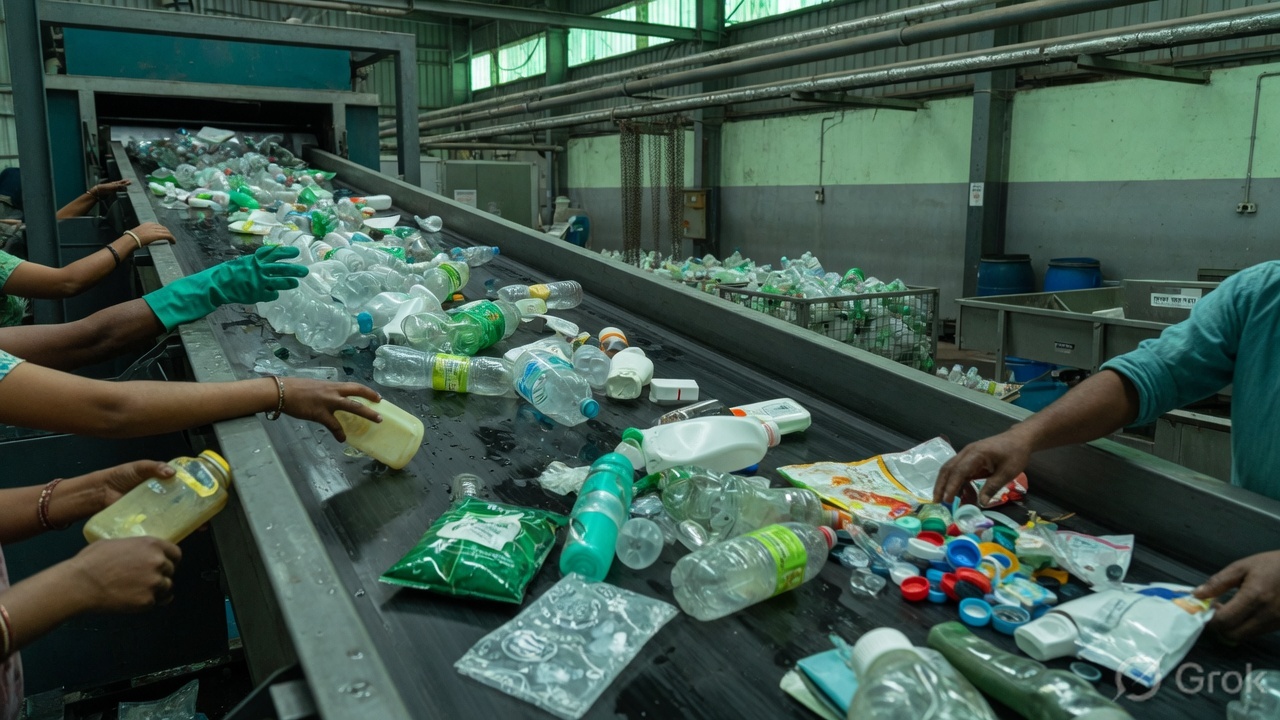
Plastic packaging EPR is the most common Extended Producer Responsibility obligation in India. If you put rigid, flexible or multilayer packaging on the market, the Plastic Waste Management (PWM) Rules require CPCB registration, annual targets and returns.
Packaging categories (plain English)
- Category I: rigid plastic (bottles, jars, containers)
- Category II: flexible plastic (films, pouches, wrappers)
- Category III: multilayer plastic that is not recyclable in the usual sense
Your BOM and artwork files should map SKUs to these categories. Guessing at year-end is how filings get queried.
Obligations for PIBOs
- Register on the CPCB plastic EPR portal
- Report plastic introduced, category-wise
- Meet recycling / reuse / compostable targets for the year
- File returns and retain EPR certificates
Design and labelling
PWM also pushes recycled content, labelling and (for some items) restrictions. Sustainability claims on pack should match what you actually file — see EPR & sustainability messaging.
Practical calendar
Collect monthly dispatch data from ERP. Reconcile with GST where useful. Procure certificates before the return window, not after a CPCB notice. Use the compliance checklist.
EPRSeva runs plastic EPR as a managed service: data templates, recycler network, portal filing. Contact us.
Need help with EPR compliance?
EPRSeva handles CPCB registration, EPR certificates, plastic / e-waste / battery filings and annual returns for PIBOs across India.