What is EPR in India? Extended Producer Responsibility Explained (2026)
A plain-language guide to Extended Producer Responsibility (EPR) in India: who is a PIBO, which waste streams are covered, CPCB registration, certificates, and how to stay compliant.
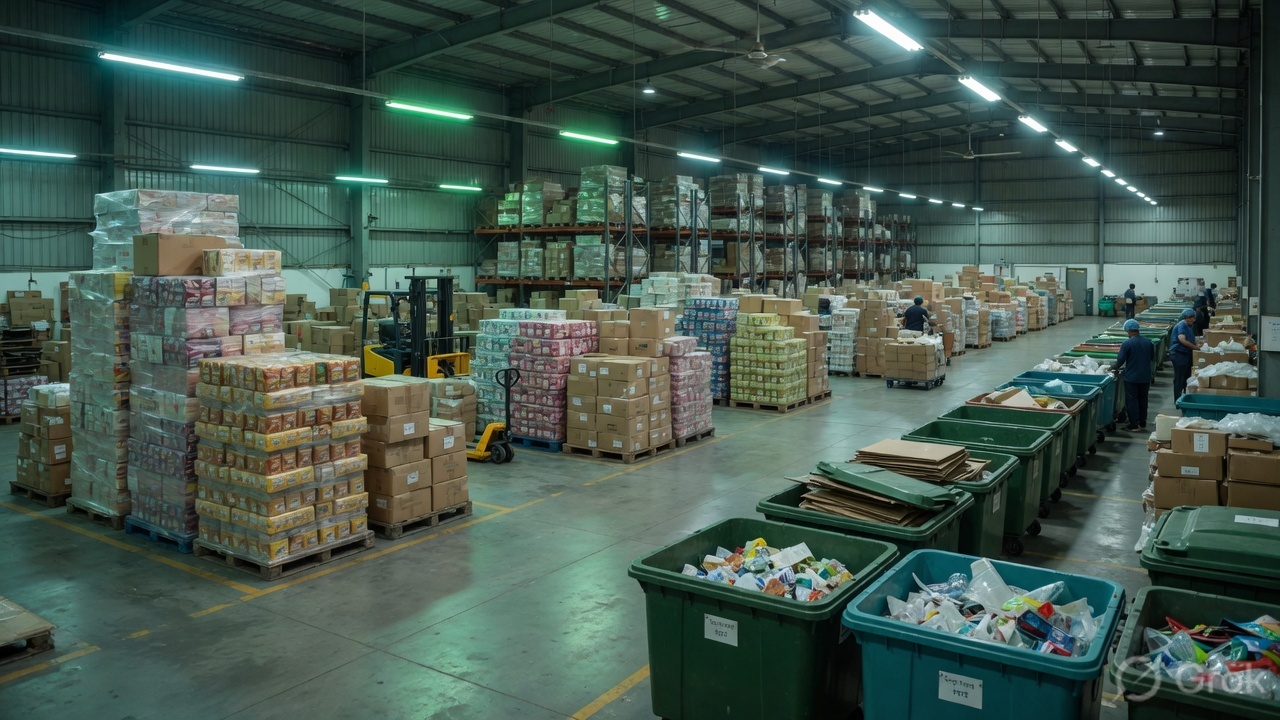
Extended Producer Responsibility (EPR) in India is the legal duty of producers, importers and brand owners (PIBOs) to collect and channel the waste generated from products they put on the market. EPR is not a tax and it is not a one-time licence. It is an annual compliance cycle: register on the CPCB EPR portal, declare sales, meet recycling targets, and file returns.
Why EPR exists
India generates large volumes of plastic packaging, e-waste, batteries and tyres. EPR shifts the cost of collection and recycling from municipalities onto the companies that design and sell those products. The Central Pollution Control Board (CPCB) and State Pollution Control Boards (SPCBs) enforce the rules.
Who must comply
You typically need EPR registration if you are a:
- Producer who manufactures goods or packaging in India
- Importer who brings products or packaging into India
- Brand owner whose name or trademark appears on products sold here
Thresholds and categories differ by waste stream (plastic, e-waste, battery, tyre, used oil). If you are unsure, use our EPR calculator and compliance checklist.
Waste streams covered
- Plastic packaging EPR under the Plastic Waste Management (PWM) Rules
- E-waste EPR under the E-Waste (Management) Rules
- Battery waste EPR under the Battery Waste Management Rules
- Tyre EPR under the Used Tyre EPR guidelines
- Used oil EPR on the CPCB portal
How EPR compliance works
- Register as PIBO (or recycler) on the relevant CPCB EPR portal.
- Declare quantity placed on the market, category-wise.
- Meet annual recycling / recovery targets through authorised recyclers or a PRO.
- Procure EPR certificates that evidence recycling.
- File annual and quarterly returns on time.
EPR certificates and credits
An EPR certificate is proof that an equivalent quantity of waste was recycled by a registered recycler. PIBOs buy or receive these certificates to close their target. Shortfalls attract environmental compensation. See our guides on EPR certificates and EPR credit trading.
What happens if you skip EPR
CPCB can levy environmental compensation, restrict operations, and notify GST / customs in some cases. Use the EPR penalty checker for a first-pass estimate, then get a filing plan from EPRSeva services.
EPRSeva helps PIBOs with CPCB registration, target tracking, certificate procurement and annual returns so EPR stays a process — not a last-minute scramble.
Need help with EPR compliance?
EPRSeva handles CPCB registration, EPR certificates, plastic / e-waste / battery filings and annual returns for PIBOs across India.